

What LA’s Hottest Personal Trainer Wants You to Know
I talked to Kirsty Godso about mat vs reformer, the best fitness trackers and why more women should be lifting weights.

Hello and welcome back to Late Filing.
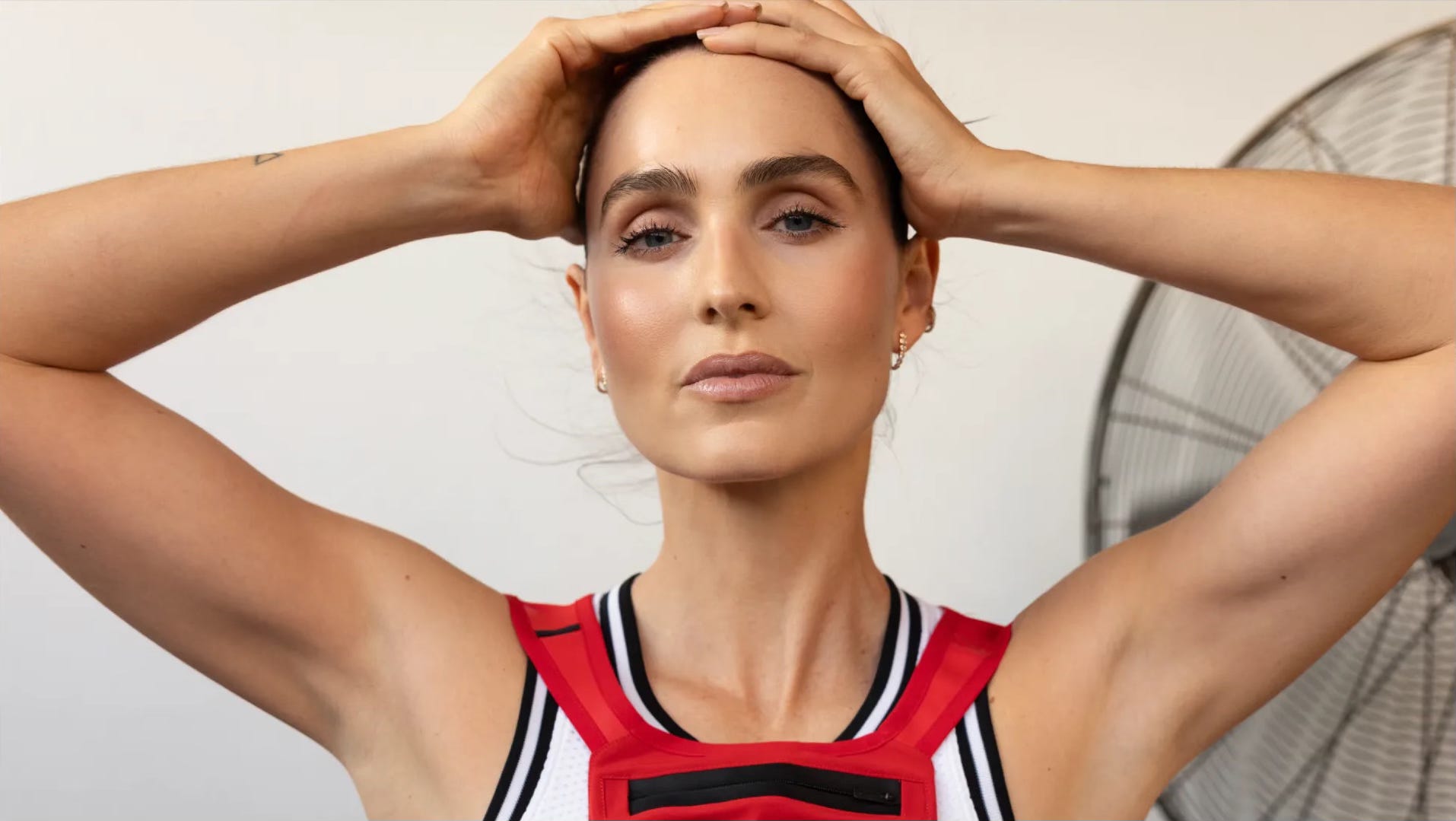
Are you still sticking to your fitness resolutions? Or do you need a bit of a nudge? If it’s the latter, you’ll be happy to know that today’s newsletter is an interview with the New Zealand-born, LA-based celebrity trainer Kirsty Godso (the coolest woman in fitness). Kirsty is a bit of a legend in the industry. For years, she was a Master Trainer for Nike, and then last year she signed a partnership with Vuori. She’s trained Kaia Gerber, Olivia Rodrigo and Hailey Bieber. She also runs a protein brand called Made Of and a digital fitness platform called Pyro. (You can do a seven-day free trial here.)
I thought she’d be a great person to chat to in January when we’re all focused on being our best selves because not only does she know a lot about fitness but she also makes it look really fun. I specifically wanted to ask her about the importance of strength training. I’m an evangelist for lifting weights and I tell all my runner friends that they need to be doing it – and that the sooner they start the better. Sadly, they never listen to me, but I thought they might listen to Kirsty.
Also, in case you missed it, Late Filing now has a new weekly email called The Digest. It’s a roundup of interesting things, places and stories worth knowing about, and it’ll land in your inbox every Wednesday. To celebrate, there’s 20% off annual paid subscriptions for the rest of the month: £40 a year rather than £50, which works out way less than the standard £5 a month. Get it while it’s hot.
Where did your passion for fitness come from? Have you ever not been motivated to work out?
I’ve always loved sport and moving my body. My mum is a professional golfer and I think that helped instil a lot of discipline and commitment in me from a young age. I grew up in New Zealand where people are very active and I started going to the gym at 15 after a knee surgery for rehab. That’s when I first got interested in fitness and started going to classes.
I really love to work out so it’s very easy for me to get myself into it, but recently I froze my eggs and for a certain part of that process you can’t work out for two to three weeks. I had a moment where I was like: ‘Oh wow, I kinda get how people can fall out of consistency and not really want to do a workout!’ It was pretty peaceful to be honest. But once I got myself back into a routine, I felt so good again.
What’s your workout split at the moment? And how long are you working out for?
I strength train three to four times a week, run once a week and do two sculpt classes a week on my online platform Pyro. I’ll typically do one of the sculpt classes before my run so my body is activated. I walk daily and always do mobility at the start of my workouts and some stretching at the end. I try to take a rest day once a week and usually my busy work schedule will make that happen anyway. My workouts are usually around an hour, but I can also get a really efficient workout done in 30 minutes if needed. The quality of the workout matters much more than the duration.
‘Strength training is hands down the best thing a woman can do for her body’
Are there any fitness myths that you wish would go away? And is there anything you think is seriously underrated in fitness?
Where do I start? I think the main one I would like to disappear – and I think it slowly is – is that weights will make you bulky. Strength training is hands down the best thing a woman can do for her body. A lot of my clients are very petite and have bodies that get referenced a lot by others as their goal – and those bodies come from strength training.
I also wish more people would create a better relationship with recovery. I have all my clients do regular lymphatic massage and myofascial work two to three times a month. It makes such a difference for the body. I prefer to keep myself and my clients in regular routines with these practices rather than waiting until they feel sick or like they need it. It speeds up recovery and results a lot because we’re always helping the body and immune system stay aligned.
Why do you think so many people fall off their fitness goals?
Typically I find people aren’t realistic about their goals and try to change everything too soon. Sustainable routines aren’t about being overly strict or making all the changes at once. It’s about finding a momentum and pace that your body can keep up with. Whenever I work with people, I do it in stages so I can usher them towards their goals in a way that feels attainable and keeps the joy in it. I believe in discipline but too much of it can strip us of the purpose of actually enjoying being in our body.
What’s the best way to gauge how fit you are?
You can get some of that data from watches for cardiovascular fitness improvements like seeing shifts in your VO2 max, how quickly you can get your heart rate back down after an intense burst of activity, running at better paces etc. Tracking progress with strength training can feel a little harder sometimes. I like to teach my clients and others to be able to tap into how they feel: noticing when they connect more to an exercise, acknowledging when their weights can go up in an exercise. There are also other things you can observe that are signals of increased fitness and resilience such as lower resting heart rates during sleep, faster recovery and increased energy.
Is there anything you recommend eating or taking before and after workouts?
I really don’t recommend working out on an empty stomach, especially for women. Pre-workout, you’re thinking about setting your body up for success in the workout to come. Going in fasted is really challenging on the body, and you’ll often take more away from your body than what you get out of the workout. If you’re not hungry in the morning and working out early, my favourite easy hack is to add half a scoop of protein powder to your coffee or shake it with water. Post-workout is when you’re really thinking about muscle repair and recovery. Having protein post-workout is my preferred option so I’ll do one scoop of Made Of whey protein isolate with 8oz of water and then a proper meal about an hour later.
What’s your approach to fitness when you’re travelling? And what do you advise clients?
My approach is that I’m going to do my best in the environment I’m in. If you’ve ever been to Paris, you know that good hotel gyms are few and far between. But on the other hand, you’re in one of the most beautiful cities in the world which is perfect for running, walking and biking. When I’m traveling, I’ll often roll out a towel on my hotel floor and do a mini Pyro workout. You can still get an extremely effective workout without a perfect workout setting. My clients also use Pyro when traveling because there are so many workouts that require minimal to no equipment. However, I always travel with small resistance bands and a small Pilates ball.
How important is it to mix up your workouts?
People get obsessed with needing a new workout all the time but the best way to notice change in your body is via repetition of certain movement patterns. With a strength-training program, I’ll have a few different workouts that I’m repeating for four to six weeks, depending on the goal, and then I’ll switch them up. Across that period, I’ll be increasing my weights used for each exercise gradually. When your body is about to plateau, that’s the time to move to the new program. This is where a lot of people get it wrong – they either don’t do enough of the same workouts to get the benefit and results or they do them for too long and are no longer making an improvement. This is why working with a trainer or tracking your progress can really help so you are informed about when it’s time to switch things up.
‘I love Pilates and I add a lot of Pilates-style movements into my workouts. What I don’t like is the idea that you should do Pilates and Pilates only.’
What should people know about strength training? And for someone who’s intimidated by the idea of weights, how would you recommend getting started? (I’m really a big believer in it and I’m trying to convince more women to take it seriously!)
In my opinion, weight training should be the foundation. It is one of the most beautiful ways to move, challenge and change your body. You’re not going to ‘bulk’. In order to do that, you’d need to be specifically training in a very intense way to get that type of outcome – for example, hypertrophy-style training like what bodybuilders do.
To get started, you could try a group fitness class that uses weights and teaches you some of the basic movement patterns. You could then seek out a personal trainer who can help you with a program that targets your specific goals. I can completely understand how a gym and weights can seem very intimidating but you’ll quickly replace it with other feelings like motivation, curiosity and confidence. Starting can be the most intimidating part, but you also have the most to gain which is really fun.
How do you get abs? (And is that a bad goal to have?)
I like to talk about that as being an aesthetic goal but making a performance goal the hero e.g. I want to increase my strength, I want to do a chin up, I want to hip thrust 200lbs etc. Those performance-based goals will help you to focus on something that is more truthful to you than just something visual like abs. Strength training really does help to build your core strength because of the physical stimulus of lifting weights putting the body under tension – so you’ll notice those abs popping nicely.
What are your thoughts on the Pilates craze at the moment? Should everyone be doing it? Is it overrated?
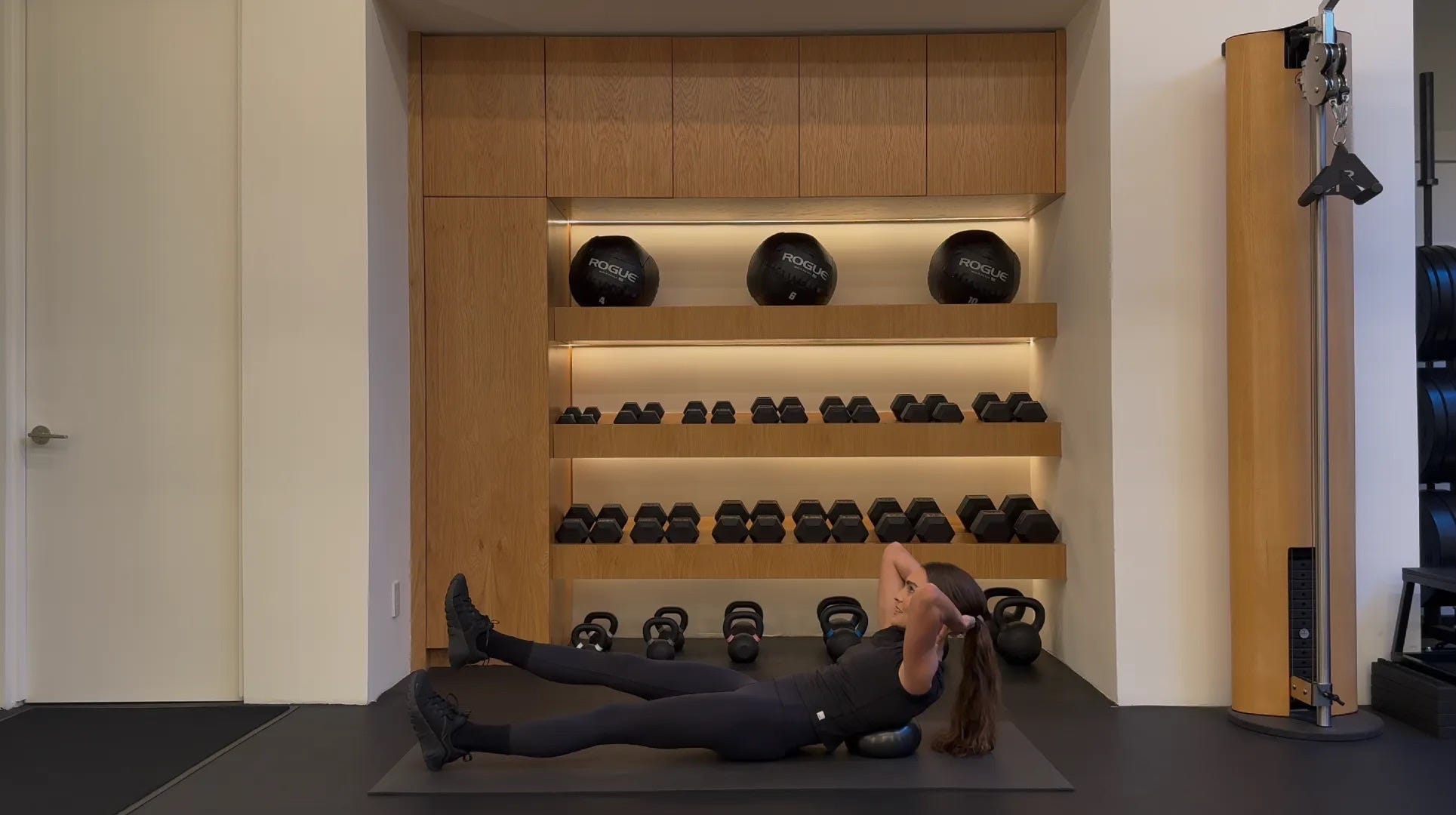
I love Pilates! I’m certified in mat Pilates and add a lot of Pilates-style movements into my sculpt workouts. What I don’t like is the idea that you should do Pilates and Pilates only. It’s an amazing additional activity to your schedule but you’ll typically see better results from a mix of strength, Pilates and a micro-dose of cardio. I’d also pay attention if your body feels better doing reformer or mat Pilates. For example, if you have wider hips and shoulders and a ‘boxier’ frame, you might prefer mat and tower Pilates as reformer can build your muscles out a bit. Everyone’s body is different so I always recommend just seeing how you respond and then making appropriate decisions for you.

And what about the whole high-intensity vs low-intensity workouts debate?
I love tackling this one. High-intensity got a bit of a bad rap for its association with high cortisol and inflammation. But HIIT workouts should only be done two or three times a week with appropriate recovery around them and basically no one was doing that. It’s really important to make sure you still get some elements of HIIT in your training because of the amazing cardiovascular benefits and how effective it is at putting your metabolism into overdrive. How I like to do it with women is by adding about 10 minutes of calculated cardio into a couple of their strength workouts during the week. We’ll use the weighted jump rope, the curve treadmill and bodyweight exercises. I think about my walks as low intensity, zone 2 cardio which is known as the ‘fat-burning zone’, but is also really good for helping your body clear inflammation. When I look at a week of workouts I like to see varying intensity and I’ll always put a rest day after the most intense day in someone’s schedule.
Do you have a favourite fitness tracker? Or any other fitness tech and gear that you love and recommend?
I don’t personally track any of my fitness except for when I run. For running, I love the Garmin Forerunner 245 watch which syncs to your Spotify so you can run without your phone and any interruptions. I wear an Apple Watch when I film for Pyro but just to keep track of the time – not for calories burnt or anything. What I like about the Apple Watch is that you can track the different heart rate zones you’re in, so if you’re trying to see if you’re really in zone 2 or hitting high intensity (zone 5) then it can give you that insight and data. My number one rec is the Oura Ring for tracking my sleep and cycle – this was really helpful for me when I was doing egg freezing in December last year. I’ve had the Oura Ring for two and a half years now and love it. I’d definitely recommend getting your cycle-tracking app to sync with it if you’re interested in variations across your monthly cycle.
Finally, I know you’re in London a lot. Do you have any favourite fitness studios or spots to work out here?
I am obsessed with London! I think it’s such an amazing city. I typically go to gyms rather than classes there, and I love BXR, 180 Health Club and White City House.
Thank you so much for having me!❤️🔥❤️🔥❤️🔥
Great read, strength and Pilates, the best combination!